
Tenha acesso total e gratuito
Benefícios da Plataforma Educativa Coloplast® Professional
- Acesso completo a todos os conteúdos educativos, eventos e recursos
- Acompanhe o seu progresso de aprendizagem
- Partilhe conteúdos com os seus colegas
- Partilhe materiais de apoio com os seus pacientes
International guidelines promote intermittent catheterization (IC) as the standard treatment for patients who are unable to empty their bladder.¹ When appropriately implemented, many users may achieve improved quality of life and greater independence.²
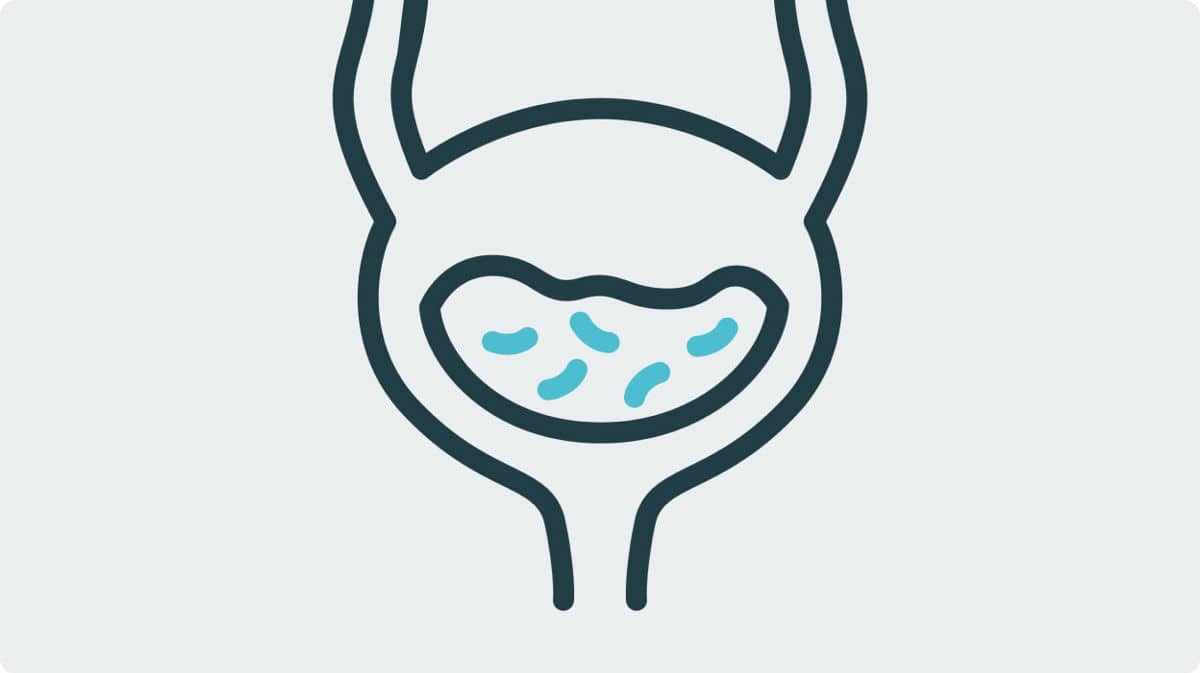
Lower urinary complication risk with IC versus indwelling catheters
Users of IC may experience a lower risk of:
• Urinary complications in general3,4
• Urinary tract infections (UTIs)3,5,6
• Bladder stones3,7
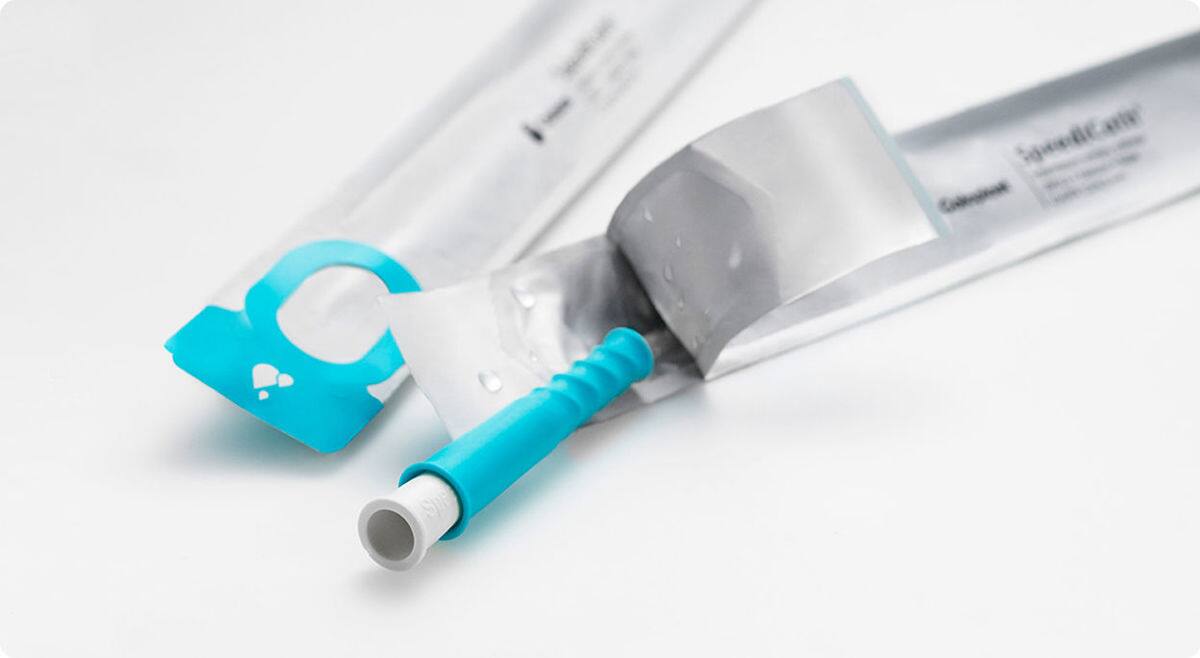
Single-use catheters could support hygienic catheterisation
Patients who reuse catheters may increase their risk of bacteriuria, which is a potential precursor for UTIs9
Single-use catheters support a non-touch technique. When combined with proper hand hygiene, single-use catheters may help reduce bacterial contamination and lower the risk of UTIs.

The second I switched over to single-use catheter it just made such a huge difference to me and my quality of life.
User, SpeediCath Navi
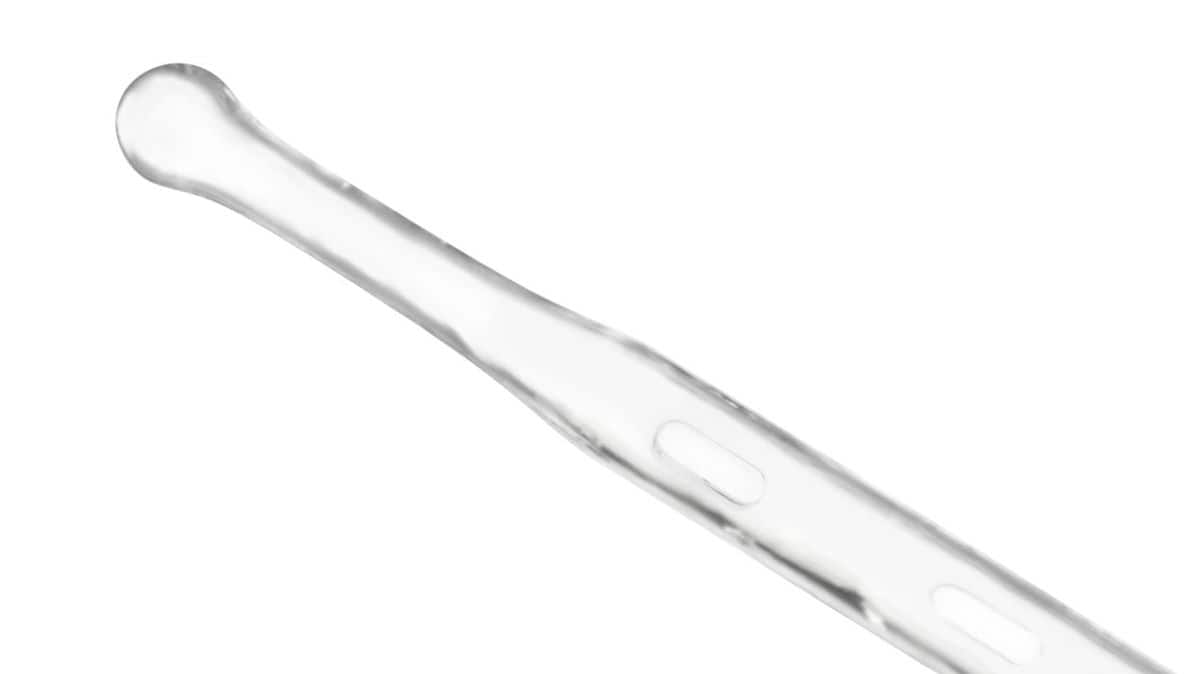
HCIC reduce friction* thanks to Coloplast unique coating
Advanced IC – hydrophilic-coated catheters (HCIC)
• Feature a hydrophilic coating bound to the catheter
• Reduce the risk of trauma and UTIs* ,10,11,12,13
• Some are ready to use; others require activation with water Hydrophilic-coated catheters are shown to reduce urethral discomfort, such as pain during catheterisation.*,11

I tried uncoated – it was painful. But now my condition does not define me.
User, SpeediCath Navi
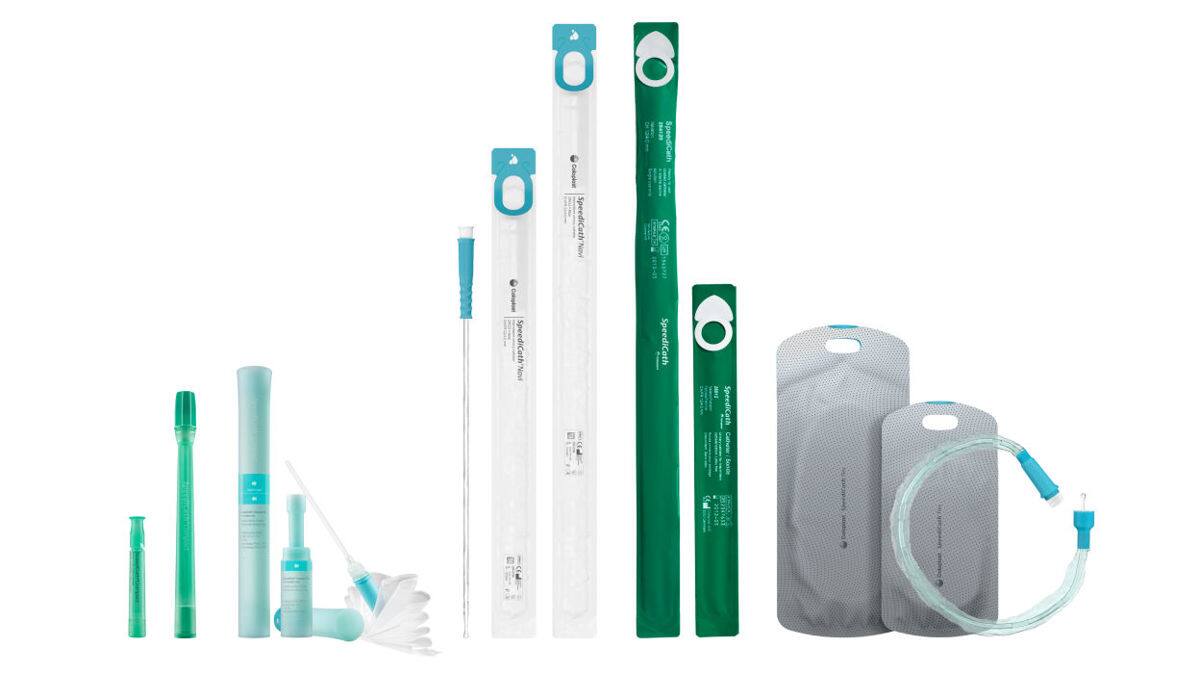
SpeediCath® Smooth and instantly ready to use
All SpeediCath catheters offer hydrophilic-coated intermittent catheterisation. The unique hydrophilic coating stays bonded, smooth, and hydrated, reducing the risk of urethral trauma14* and urinary tract infection.15*
*Compared to uncoated catheters